
If you work with students who worry about everything from tests to recess, you’re not alone. Anxiety often hides behind stomachaches, tears, or quiet withdrawal. One of the most powerful ways to help students open up is through story.
Books give children language for their feelings, build empathy, and offer concrete strategies for coping. When combined with arts-integrated activities, students can process emotions through movement, music, or visual art — turning worry into creativity and calm.
Below are 10 amazing books that help students with anxiety and worry, each with an arts-integrated activity and content connection that you can use right away in your classroom or counseling sessions.
How it helps: Offers students specific ways to identify, label, and manage stress before it escalates.
1. Ferdinand the Bull by Munro Leaf
This timeless story reminds students that being gentle can be a form of courage. Ferdinand prefers peace to conflict, making him an ideal role model for anxious or sensitive students.
How it helps: Encourages students to honor their calm personalities and resist peer pressure.
Arts Integration: Create a Peace Garden Collage or watercolor scene inspired by Ferdinand’s favorite spot. Discuss what peace looks and feels like.
Content Connection: ELA figurative language (RL.3.4) — write similes about students’ own “peaceful places.”
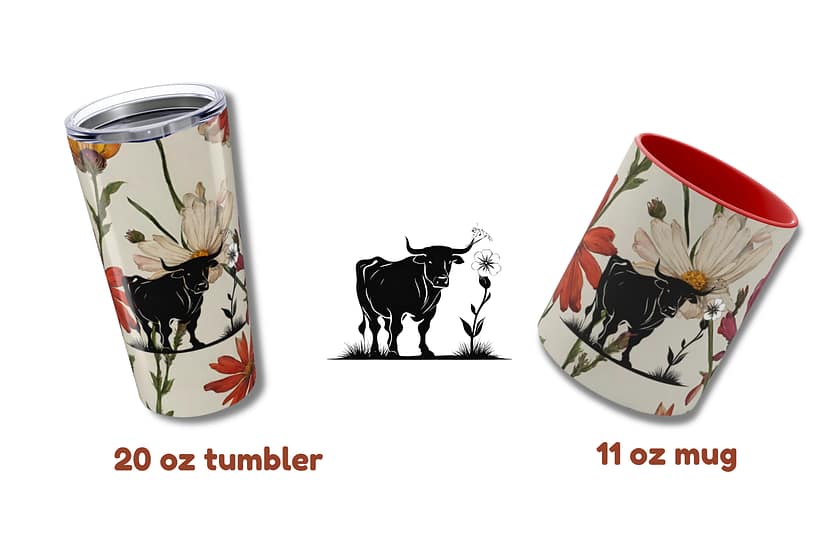
For teachers and parents who prefer calm on the move, there’s also a coordinating Ferdinand tumbler featuring the same gentle design. Both pieces are inspired by Ferdinand’s message that you don’t have to fight to be strong.
I designed this Ferdinand the Bull mug as a quiet reminder that calm is a kind of courage. It’s available in a classic 11oz size — the perfect cozy companion for your morning routine, your classroom desk, or your book nook.
Shop the Ferdinand the Bull Mug — a cozy reminder to stay calm, brave, and true to yourself. Tumbler in mind? Check out the Ferdinand the Bull Tumbler for a versatile drinking option.
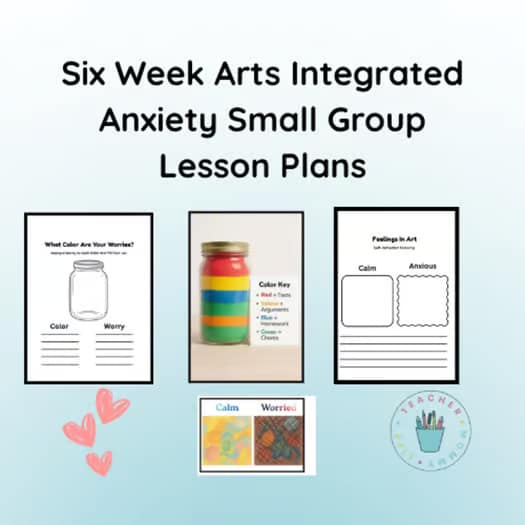
Need small group resources for your students? Try this next: Explore my 6-Week Arts-Integrated Anxiety Small Group Curriculum for Grades 2–6 to extend the theme of calm courage through creative expression.
2. The Very Quiet Cricket by Eric Carle
A gentle story about a cricket who tries to speak but can’t until the end — a powerful metaphor for finding your voice.
How it helps: Encourages shy or anxious students to celebrate small steps toward confidence.
Arts Integration: Build a “Soundscape of Feelings” using rhythm sticks, shakers, or digital sounds to represent emotions.
Content Connection: Science — explore how insects communicate and relate it to human expression.
3. Ruby Finds a Worry by Tom Percival
Ruby discovers a worry that grows until she shares it — a relatable metaphor for anxiety.
How it helps: Shows students that sharing feelings makes worries smaller.
Arts Integration: Students paint or draw their “worry clouds” and transform them into sunshine or symbols of bravery.
Content Connection: ELA — descriptive adjectives and sensory writing to express emotions.
4. Wilma Jean the Worry Machine by Julia Cook
Wilma worries about everything, and this lighthearted story helps students laugh while learning how to manage worry.
How it helps: Helps kids identify what’s in their control versus what isn’t.
Arts Integration: Create a Worry Jar with slips representing coping strategies (breathing, art, talking). Color code by strategy type.
Content Connection: Math — graph or tally coping strategies used most often in class.
5. When My Worries Get Too Big by Kari Dunn Buron
This book teaches structured techniques for self-regulation and calming.
Arts Integration: Design a Calm Corner Poster or a “My Safe Space” drawing that includes colors, textures, and sounds that help them relax.
Content Connection: Health/Science — examine body clues that signal stress (heart rate, breathing, posture).
6. A Feel Better Book for Little Tempers by Holly Brochmann and Leah Bowen
This rhythmic, rhyming story teaches students that emotions are natural and manageable.
How it helps: Normalizes strong feelings and introduces self-soothing strategies.
Arts Integration: Students create rhythm patterns that represent different emotions, clapping or drumming them out.
Content Connection: ELA — practice syllable patterns and rhyme schemes using lines from the story.
7. The Invisible String by Patrice Karst
A comforting story that helps students understand that love and connection remain even when people are apart.
How it helps: Especially powerful for students dealing with separation anxiety or family changes.
Arts Integration: Use yarn or string to create a classroom “Connection Wall,” linking names to words like family, pets, and friends.
Content Connection: Social Studies — explore roles of community helpers and how we stay connected.
8. Scaredy Squirrel by Mélanie Watt
Scaredy Squirrel plans for every possible danger — until he finally faces his fears.
How it helps: Uses humor to help students see that fear can be overcome and mistakes are part of learning.
Arts Integration: Role-play Scaredy’s “What If” moments with quick improv scenes.
Content Connection: ELA — sequencing events and summarizing lessons learned.
9. The Color Monster by Anna Llenas
The Color Monster wakes up feeling mixed up inside and learns to identify each emotion by color.
How it helps: Provides a concrete way for visual learners to understand complex emotions.
Arts Integration: Paint “emotion monsters” using warm and cool colors to express blended feelings.
Content Connection: Science — explore color theory; ELA — write color poems describing emotions.
10. What Do You Do With a Problem? by Kobi Yamada
This story reframes problems as opportunities. When the main character faces a problem instead of avoiding it, he discovers its hidden potential.
How it helps: Encourages resilience, growth mindset, and reframing negative thinking.
Arts Integration: Create a Problem-to-Possibility Storyboard that shows how a challenge can turn into learning or success.
Content Connection: ELA — identify theme and author’s message (RL.4.2).
From Worries to Calm: Bringing It Together
Books give students the language for emotions, and the arts give them ways to express and transform those emotions into confidence. By combining reading, art, movement, and conversation, you can help anxious students feel seen, safe, and strong.
Ready to start small?
Access the Free SEL Resource Library for printable worry-management pages, calming corner visuals, and arts-integration resources to support emotional regulation in your classroom. Get instant access below!
If you loved exploring how stories ease student anxiety, you’ll also enjoy reading The Power of Imagination in the Classroom. It dives into how creativity helps students build calm, confidence, and connection.