When Students Feel Worried, Stories Can Help
When students feel worried, nervous, or unsure, stories give them the language and confidence they need to understand what they are feeling. Whether it is stomachaches before school, racing thoughts, or withdrawing during transitions, worry shows up in many ways and often at unexpected times.
Books normalize these big feelings while offering empathy and simple strategies. When paired with arts-integrated activities, these stories become even more powerful, helping kids transform anxious thoughts into resilience and courage.
Below are ten creative, classroom-friendly books that help students understand and manage worry through story, art, movement, and SEL connections.
1. The Invisible String by Patrice Karst
How It Helps
This story gives students a memorable visual for staying connected during worry, separation, or stress.
Arts Integration
Students draw two people connected by an invisible string and color the feelings on the string.
Content Connection
SEL – Relationship Skills: Identify trusted adults and practice help-seeking strategies.
2. Ruby Finds a Worry by Tom Percival
How It Helps
Ruby discovers that worries grow when we avoid them and shrink when we talk about them.
Arts Integration
Students create a “worry creature” sculpture using clay or simple craft materials.
Content Connection
Writing – Personal Narrative: Write about a time you felt worried and what helped.
3. After the Fall by Dan Santat
How It Helps
This story teaches students about rebuilding after embarrassment or failure.
Arts Integration
Students create a storyboard showing what helped them rise again after a challenge.
Content Connection
ELA Theme (RL.4.2): Describe how the character grows or changes.
4. Wemberly Worried by Kevin Henkes
How It Helps
This relatable story validates school-related worries and nervous habits.
Arts Integration
Students draw “big feelings, small feelings” using warm and cool colors.
Content Connection
SEL – Self-Management: Identify calming strategies for stressful moments.
5. A Little Spot of Anxiety by Diane Alber
How It Helps
Students learn the difference between helpful and unhelpful worry.
Arts Integration
Students create a “strategy wheel” that shows ways to shrink anxious thoughts.
Content Connection
Health Education: Practice grounding and belly breathing.
6. The Rabbit Listened by Cori Doerrfeld
How It Helps
This story shows that feelings often need listening, not fixing.
Arts Integration
Students sketch “listening ears” and draw examples of supportive listening.
Content Connection
SEL – Relationship Skills: Identify what supportive listening looks like.
7. What to Do When You Worry Too Much by Dawn Huebner
How It Helps
This workbook teaches students how to break worry cycles using cognitive-behavioral strategies.
Arts Integration
Students create a “Worry Garden,” with each flower representing something they can control.
Content Connection
SEL – Self-Awareness: Recognize physical signs of anxiety.
8. I’m Worried by Michael Ian Black
How It Helps
This book uses gentle humor to remind students that everyone feels worried sometimes.
Arts Integration
Students draw a comic strip showing a worry shrinking through reassurance.
Content Connection
Creative Writing: Write a short script about challenging a worry.
9. The Kissing Hand by Audrey Penn
How It Helps
A comforting story that helps students cope with transitions and separation.
Arts Integration
Students make heart handprints with washable paint or cutouts.
Content Connection
SEL – Emotional Literacy: Identify feelings related to goodbyes and reunions.
10. The Whatifs by Emily Kilgore
How It Helps
Students learn how to challenge unhelpful “what if” thoughts.
Arts Integration
Students complete two columns: “What If Something Goes Wrong?” and “What If Something Goes Right?”
Content Connection
SEL – Thought Patterns: Practice reframing negative thoughts.
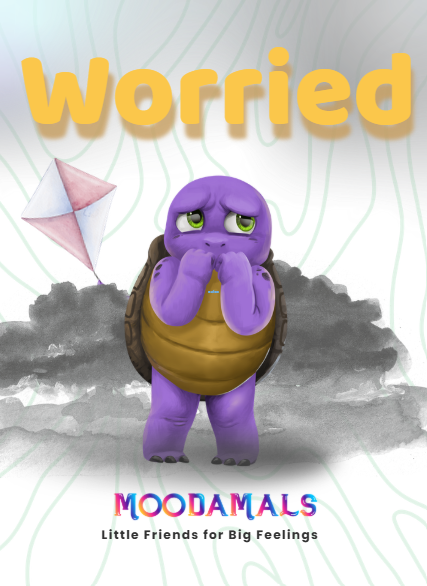
Moodamals “Worried” Poster
This child-friendly poster helps students name their feelings and understand the signs of worry.
Great for counseling offices, calm-down corners, SEL lessons, and morning meetings.
Available as a physical poster on Etsy
Available as a digital download on TPT
Tiny Explorer Holiday Long-Sleeve Shirt

A cozy, cheerful classroom shirt that pairs beautifully with winter read-alouds and holiday SEL themes.
Get Your Adorable Tiny Explorer Top at my Etsy Shop
Free SEL Resource Library for Teachers
Inside the free library, you’ll instantly receive:
• A–Z Worry-Free One-Pager
• 20+ SEL Coloring Pages
• 10-Day Mornings About Me Preview (K–2)
• 10-Day Mornings About Me Preview (Grades 3–5)
If You Enjoyed This Post
You may also love reading 10 Beautiful Books That Help Students Understand Sadness (Grades 2–6) which explores how creativity builds calm, confidence, and connection in students.