
When teachers talk about classroom behavior management, the conversation usually centers around consequences, systems, or what to do after a behavior happens.
But in my experience, something much quieter is shaping behavior long before that moment.
It happens in the first few minutes of the day.
Before the first lesson.
Before announcements.
Before anyone has really settled in.
Those first minutes set the tone for everything that follows.
And when the start of the day feels rushed, unpredictable, or chaotic, behavior tends to follow that same pattern.
Not because students are trying to be difficult.
But because many of them simply haven’t had time to regulate yet.
The Morning Transition Most Classrooms Overlook
The start of the school day is a major transition for students.
They are shifting:
• from home expectations to school expectations
• from conversation to concentration
• from freedom to structure
For some students, that transition is easy.
For others, it can feel overwhelming.
Without a predictable structure in place, you may notice students:
• seeking attention
• avoiding work
• testing limits
• shutting down
• reacting emotionally
From the outside, these moments can look like behavior problems.
But often they are really transition struggles.
Students are still trying to settle into the school environment.
👉 If you’re interested in thinking more deeply about how morning routines impact students, you may also enjoy this post:
Morning Meetings or Daily Structured Reflection? What Teachers Should Consider
Supporting Emotional Regulation
Over the years, I’ve seen how much students benefit from routines that help them settle emotionally before the academic day begins.
I wrote about this idea in my Edutopia article:
Using Sensory Experiences to Support Elementary Students
https://www.edutopia.org/article/using-sensory-rooms-to-support-elementary-students
That article explores how sensory supports can help students regulate and feel more ready to learn.
I’ve also written about the role of creativity in emotional development in:
Art as a Pathway to SEL in School Counseling
https://www.edutopia.org/article/art-pathway-sel-school-counseling
Both of these ideas connect closely to what teachers see during the first few minutes of the school day.
When students have predictable routines and opportunities to reflect, behavior is often easier to prevent than manage.
Behavior Management Starts Before Behavior
One thing many teachers discover over time is that strong classroom management rarely starts with correction.
It starts with structure.
When students walk into a classroom where they know exactly what happens next, something important changes.
Uncertainty decreases.
Anxiety lowers.
Students settle more quickly.
Predictability helps students feel safe enough to focus.
It doesn’t eliminate every behavior challenge.
But it often reduces how often those challenges appear in the first place.
👉 You might also enjoy this related post on Teacher Mommy Life:
INSERT INTERNAL LINK #2
Why “Morning Work” Isn’t Always Enough
Many classrooms begin the day with something to do.
A worksheet.
Free time.
A quick activity.
But if that activity changes frequently or doesn’t have a clear purpose, it doesn’t always create the stability students need.
Over time, I’ve noticed that mornings tend to work best when they are:
• consistent
• calm
• familiar
• reflective
When students know what to expect each morning, the classroom begins to feel steadier.
Transitions into lessons become smoother.
Correction becomes less frequent.
Not because students suddenly changed.
But because the structure did.
Try a Free Preview
If you’re curious what that kind of structure looks like, you can explore free preview of my FREE 10-Day Morning Work | SEL Daily Check-Ins & Reflections | Grades 3-6.
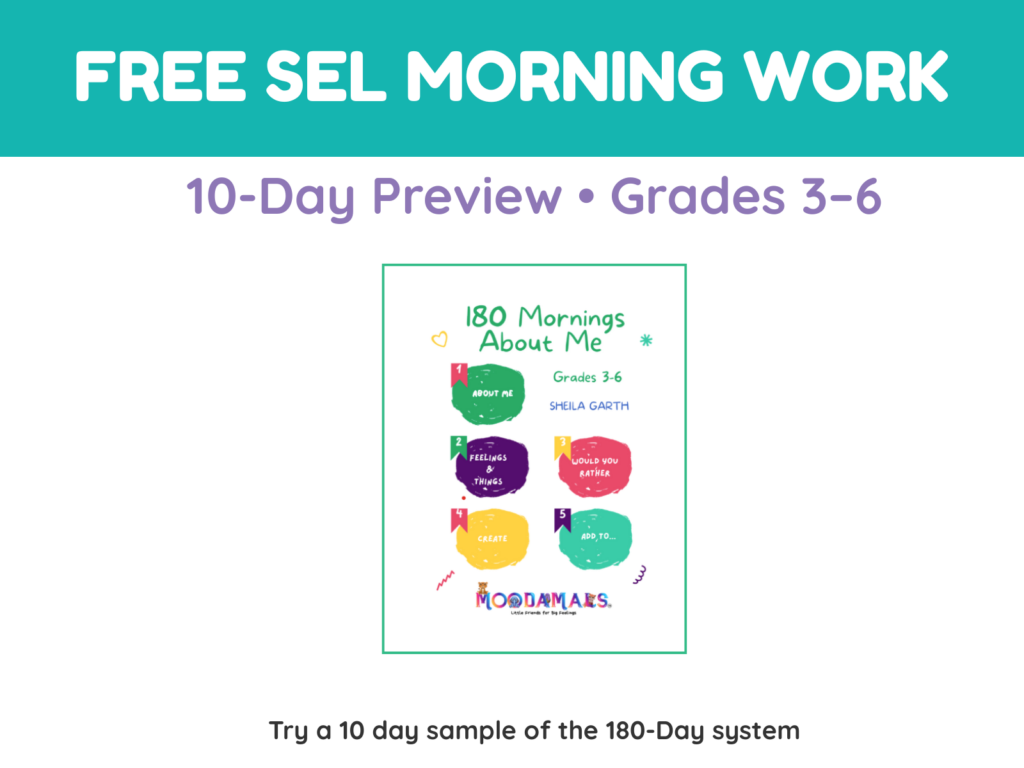
The sample pages help students:
• reflect on their emotions
• think about their choices
• build self-awareness
• settle into the school day calmly
Many teachers use these pages as a predictable entry routine, giving students a few minutes to transition into learning before the day begins.
👉 Download the free preview here:
FREE 10-Day Morning Work | SEL Daily Check-Ins & Reflections | Grades 3-6
A Full Year of Structured Morning Reflection
For teachers who want a consistent routine throughout the year, the 180 Days of SEL Morning Work provides daily prompts designed to help students start the day thoughtfully and predictably.
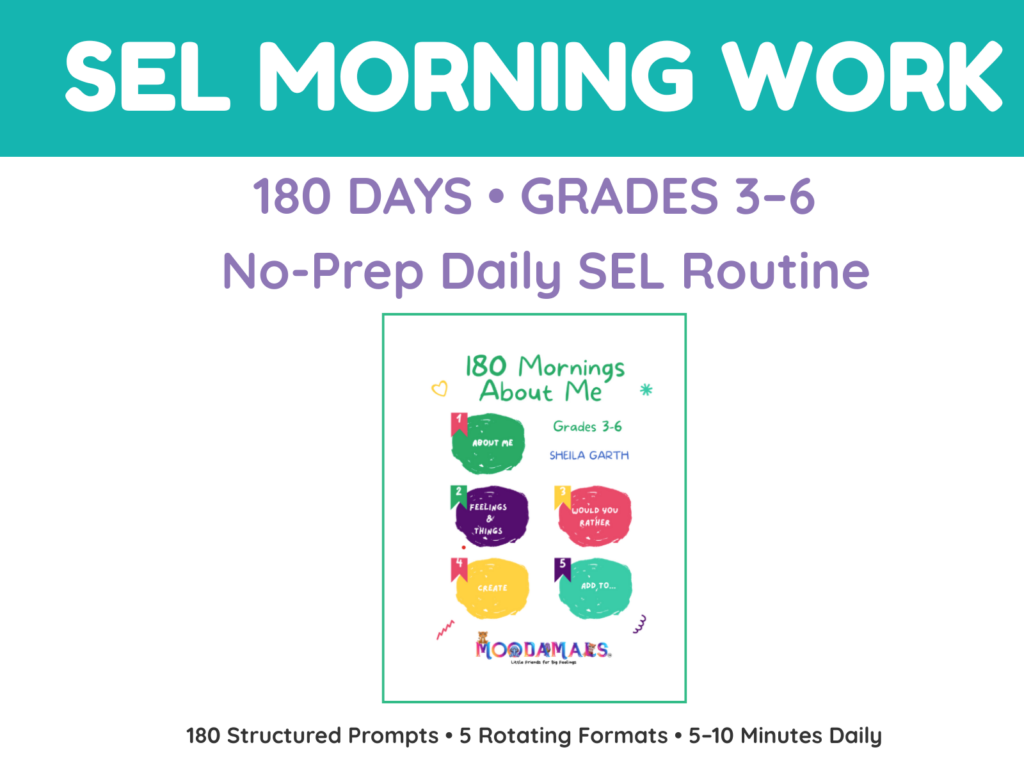
The goal isn’t to add more work.
It’s simply to create a reliable morning structure that supports emotional regulation and classroom stability.
👉 Explore the full workbook here:
SEL Morning Work | 180 Daily Emotional Regulation Activities | Grades 3–6
Final Thought
Over time, many teachers realize that classroom behavior management doesn’t really begin with consequences.
It begins with consistency.
And consistency starts the moment students walk through the door.
Sometimes the most powerful classroom management strategy isn’t a response at all.
It’s simply how the day begins.