Have you ever noticed behavior problems spike right before lunch?
Sudden tears.
Snapping at classmates.
Refusing work.
Low frustration tolerance.
You may not be dealing with defiance.
You may be dealing with hunger in the classroom.
Hangry students are not trying to misbehave. They are trying to regulate a body that feels unsettled.
When blood sugar drops, emotional regulation drops with it.
Understanding this changes everything.
What “Hangry” Really Means in the Classroom
The word hangry combines hungry and angry, but in school it can look like:
- Irritability
- Impulsivity
- Emotional overreactions
- Fatigue
- Difficulty focusing
- Increased conflict
Hunger directly impacts the nervous system. When the body feels depleted, the brain shifts into stress mode. That makes patience, flexibility, and problem solving harder.
This is why hunger in the classroom often shows up as behavior.
Not because a child is disrespectful.
Because their body is dysregulated.
Why Behavior Gets Worse Before Lunch
Many teachers notice patterns:
- More arguments late morning
- Increased frustration during long academic blocks
- Emotional meltdowns before lunch or snack
- Students shutting down or refusing to try
When students are hungry, even small problems feel overwhelming.
If we respond with heavy correction instead of regulation support, we unintentionally escalate the situation.
The key is not lowering expectations.
The key is supporting regulation first.
Calm Classroom Strategies for Hangry Students
These strategies help manage hunger related behavior without stopping instruction.
1. Recognize the Pattern
If behavior regularly spikes at the same time each day, hunger may be contributing.
Instead of leading with discipline, try:
“It looks like your body might need a reset.”
“Let’s pause and take a breath together.”
This reduces shame and increases awareness.
2. Build Predictable Routines Around Snack and Breaks
If your school allows snack, consistency matters.
If snacks are not possible, consider:
- A water break
- A short movement reset
- A calming corner check in
- Breaking tasks into smaller steps
Predictability helps stabilize the nervous system.
3. Teach Students to Identify Hunger Signals
Many children mislabel hunger as anger.
Teach students to ask:
Is my stomach tight?
Do I feel shaky or tired?
Am I more frustrated than usual?
Helping students connect body signals to behavior builds lifelong emotional intelligence.
4. Contain Before You Correct
When hunger fuels frustration, strong correction often backfires.
Instead try:
“I can see this feels big.”
“We will solve this step by step.”
“Take one small action.”
Calm containment keeps the situation from growing.
5. Teach the Two Choices
Even when hungry, students still have options.
Choice A
Let frustration take over. Argue. Refuse work. Disrupt others.
Choice B
Notice the body signal. Use a coping strategy. Ask for help. Take one small step.
Teaching this comparison builds ownership without blame.
SEL Resources That Support Hunger and Emotional Regulation
If hunger regularly impacts behavior in your classroom, structured SEL tools help students build awareness, emotional vocabulary, and regulation skills.
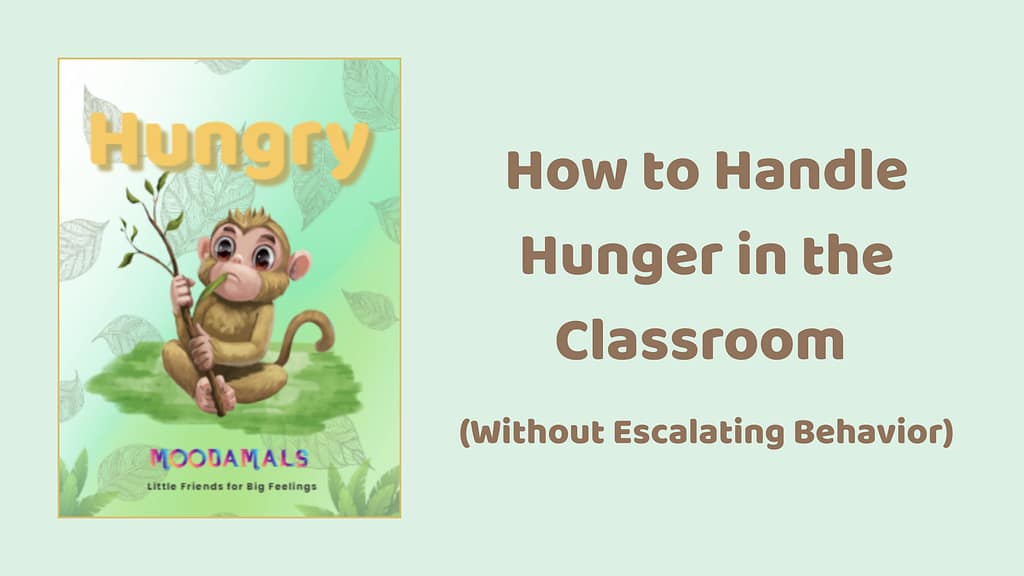
Hunger Emotion Poster
A classroom visual that helps students connect physical hunger and big feelings. This poster gives students language to describe what they are experiencing.
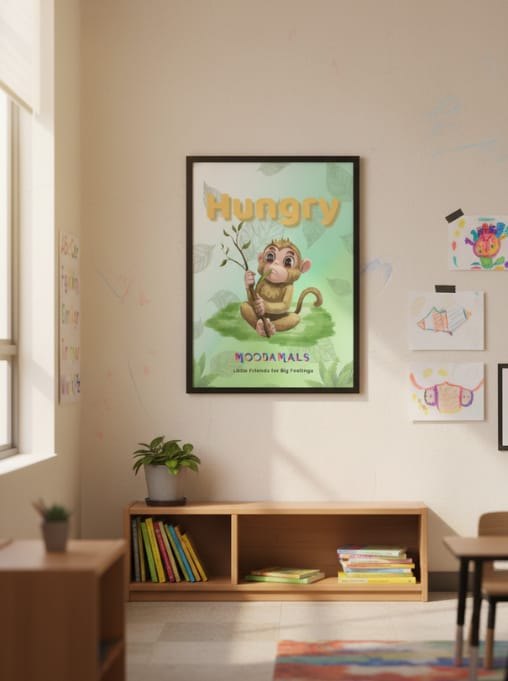
👉 Get the Hunger Emotion Poster here:
Hunger Mini Workbook
Guided reflection pages help students explore how hunger feels in their body, what behaviors it may trigger, and what strategies support regulation.
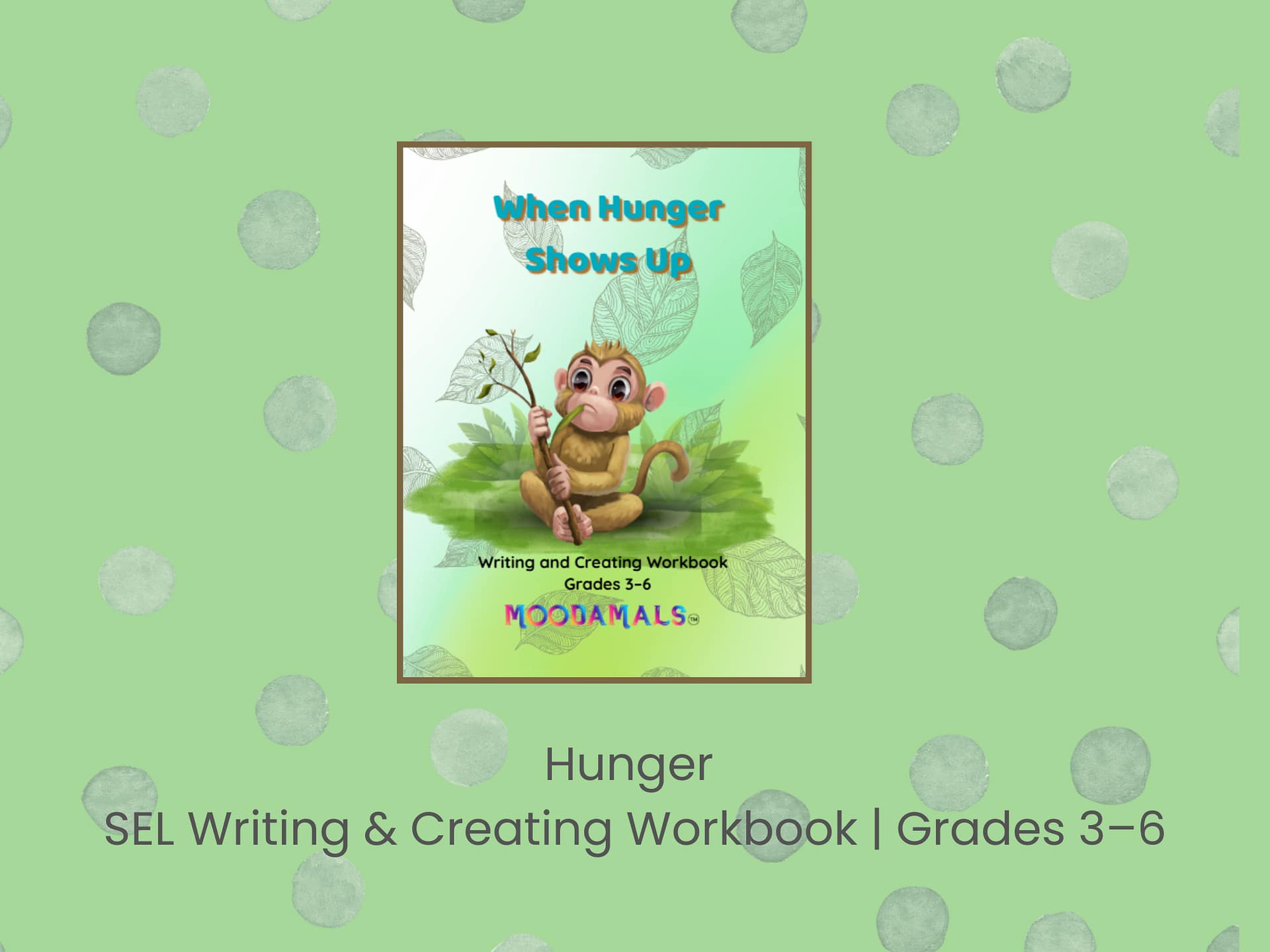
👉 Get the Hunger Mini Workbook here:
Hunger Regulation Bundle
Includes the poster, mini workbook, and additional reflection tools designed to support emotional regulation connected to physical needs.
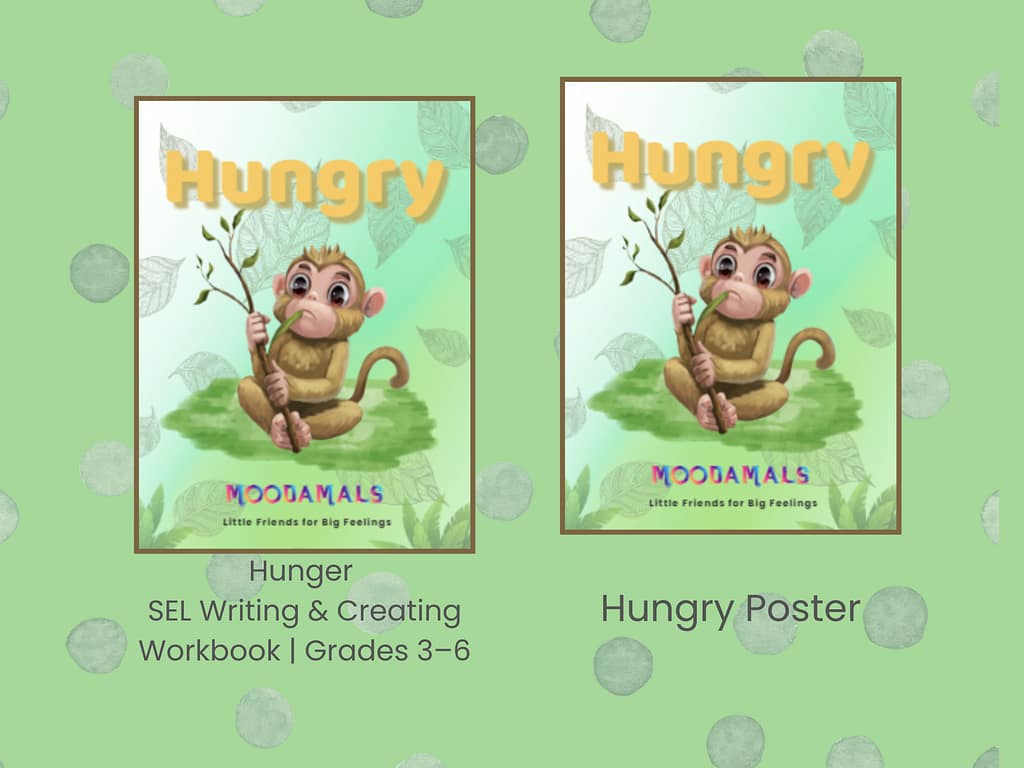
👉 Get the Hunger Regulation Bundle here:
HUNGRY POSTER AND WORKBOOK BUNDLE
FREE 24 Page SEL Coloring Book
Looking for a calm, classroom- ready way to support big feelings?
This free 24-page SEL coloring book helps students build emotional awareness, focus, and regulation through simple print and go activities you can use during morning work, small groups, or calm-down time.
Exploring Other Emotions in the Classroom
Hunger is not the only feeling that can impact behavior and focus.
Sometimes what looks like defiance is actually worry. Students who freeze, overthink, or seek constant reassurance may be feeling anxious rather than resistant.
Other times, happiness shows up with big energy that makes it difficult to slow down, transition, or stay regulated during learning.
If you are building emotional awareness across your classroom, you may also want to explore:
Want More Ways to Support Feelings in the Classroom
Post: Helping Worried Students Feel Safe Enough to Learn
Support students who struggle quietly with worry and need calm structure to stay engaged
Post: When Happy Kids Get Too Loud: How to Help Students Regulate Excitement
Learn how to support joyful energy without shutting students down.
When we recognize how different emotions show up in the body, we respond with clarity instead of correction.
Every feeling carries information.
Our role is to help students learn how to respond to it.
Final Thoughts on Hangry Students
Hunger in the classroom is real.
When we recognize that behavior may be body driven, we respond with calm structure instead of escalation.
Students who learn to identify hunger signals and use coping strategies develop stronger self regulation over time.
And classrooms become calmer.
Because sometimes it is not defiance.
It is just a body asking for support.