Helping kids with big feelings isn’t about fixing emotions or rushing children to calm down. It’s about helping kids feel understood — especially in those moments when emotions feel bigger than their words.
At its core, Moodamals is about giving kids tools to help them express and process their feelings, particularly when words are hard to find.
Over time, working with children in classrooms and counseling spaces, I kept noticing the same pattern. Kids weren’t misbehaving or being dramatic. They were trying to manage big feelings without tools that truly fit where they were developmentally or emotionally.
Because that kind of support didn’t really exist in the way kids needed it, I took the time to create one — and that’s how Moodamals came to life.
Why Big Feelings Are Hard for Kids
Big feelings show up differently in every child. Anger can feel loud and explosive. Worry can feel quiet and overwhelming. Sadness can show up as tears, withdrawal, or shutdown. Excitement can be joyful — but also dysregulating.
Yet kids are often expected to manage all of these emotions in the same way: calm down, take a breath, move on.
For many children, that simply doesn’t work.
Helping kids through big feelings means recognizing that emotions aren’t one-size-fits-all. Kids need support that feels specific, safe, and accessible in the moment they’re experiencing it.
What I’ve Seen Over Time
Across many years of working with children, I’ve seen kids struggle not because they don’t want to manage their emotions — but because they don’t yet have the language or tools to do so.
I’ve seen worry build quietly throughout the day until it spills out somewhere unexpected. I’ve seen anger grow when there’s nowhere safe for it to go. I’ve seen sadness turn inward when kids don’t know how to talk about it.
And alongside those kids, I’ve seen parents, teachers, and caregivers trying their best to help — often without resources that truly match what kids are experiencing.
The issue was never a lack of care.
What was missing was emotional specificity.
Why Emotional Tools Need to Match the Feeling
We don’t teach reading, writing, and math the same way — because they’re different skills. Emotions work the same way.
What helps a child who feels worried doesn’t always help a child who feels angry. What supports excitement doesn’t always support sadness. When emotional tools are too general, kids can feel misunderstood or stuck.
Kids benefit from supports that help them recognize what they’re feeling and feel less alone inside it — before being asked to “fix” anything.
This idea of meeting kids where they are emotionally is something I’ve explored more deeply in other writing here on Teacher Mommy Life, including 3 Ways To Learn More About Your Students In Class
How Moodamals Support Emotional Expression
Moodamals were created to be little friends for big feelings.
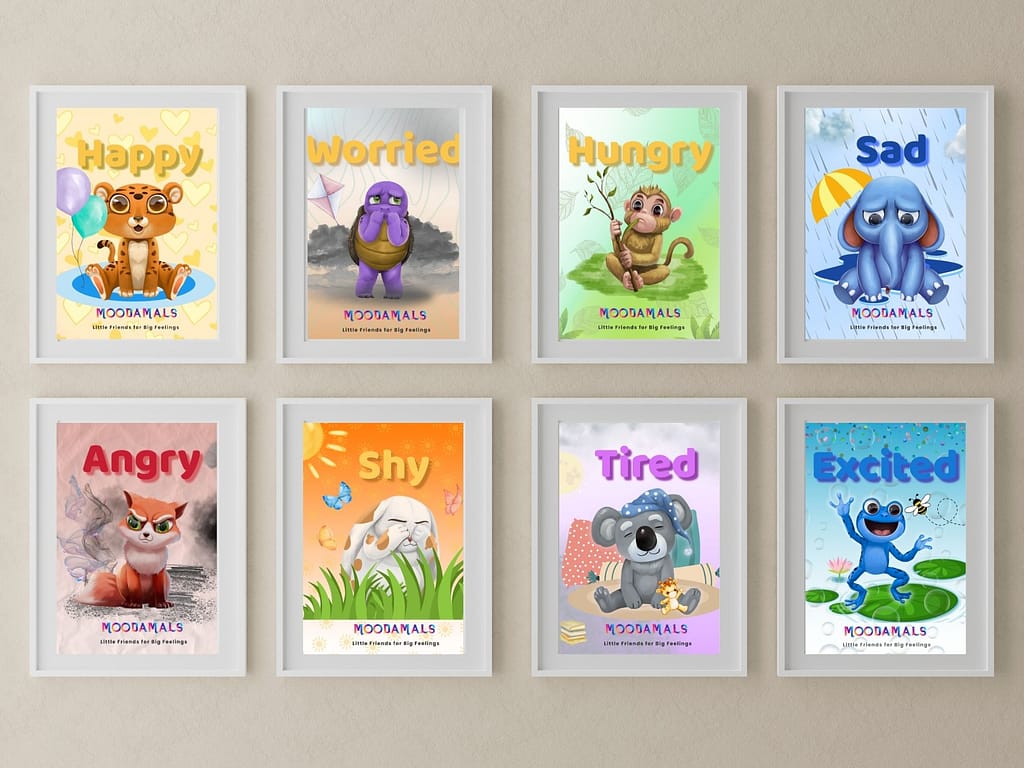
Each Moodamal represents a specific emotional experience, helping kids recognize and relate to what they’re feeling without judgment or pressure. Instead of asking children to explain their emotions using adult language, Moodamals meet kids where they are.
These characters are designed to show up in different kinds of emotional support tools — visual reminders, reflection activities, and calm spaces — so kids encounter them in real, everyday moments.
The goal was never to create something just cute.
The goal was to create something useful.
Looking Ahead
Moodamals is still growing.
Over the coming weeks, I’ll be sharing more about how emotional support tools can show up in classrooms, homes, and counseling spaces — and how Moodamals continues to develop to support kids through big feelings in meaningful ways.
If you support kids through big emotions, you’re in the right place.