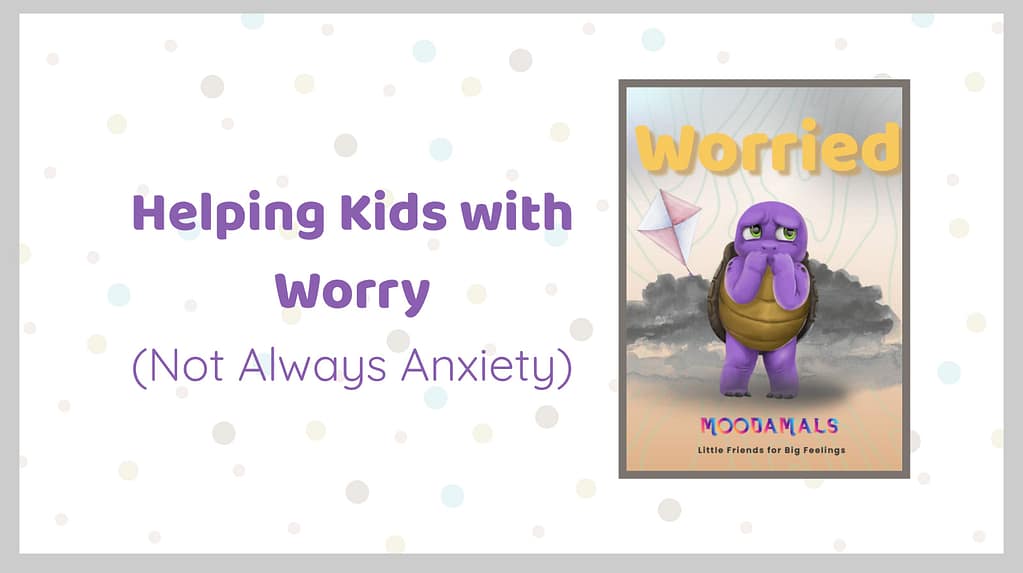
When we talk about social-emotional learning, we often focus on big, outward emotions like anger or excitement.
But worry iSome worries are loud.
Others are quiet and heavy.
You might notice a student frozen at their desk, staring at a paper they know how to complete.
A child who keeps asking the same question, even after you’ve answered it.
Or a student whose shoulders tense the moment the day begins.
Worry doesn’t always look like fear.
Often, it shows up as hesitation, perfectionism, avoidance, or shutting down.
And when worry takes over, it can be hard to know how to help — especially when you’re also trying to keep the rest of the class moving.
The good news is this:
Worry doesn’t need to disappear for students to feel better.
It needs to be noticed, supported, and gently regulated.
The Shift: Worry Is Information, Not a Problem to Fix
Worried students aren’t being difficult or dramatic.
Their nervous systems are responding to something that feels uncertain or unsafe.
When we rush to fix worry, students often feel more pressure.
But when we treat worry as information, we can respond in ways that help students settle — without making the feeling bigger.
Just like excitement, worry is a form of activation.
The goal isn’t to eliminate it, but to help students feel safe enough to stay engaged in learning.
Why Naming Worry Matters
WheCalm, Low-Prep Ways to Support Worried Students
These strategies are designed for real classrooms — simple, quiet, and doable without stopping instruction.
1. Name Worry Without Letting It Take Over
Worried students often believe something is wrong with them.
Gently naming the feeling can help:
- “It sounds like worry is showing up.”
- “That feeling is your brain trying to keep you safe.”
This kind of language normalizes the experience without feeding it — and helps students feel less alone.
2. Anchor Students in What’s Predictable
Worry thrives in uncertainty.
Simple supports like:
- a clear visual schedule
- previewing what’s coming next
- consistent routines
can help students’ nervous systems relax enough to participate.
When students know what to expect, their bodies often settle before their thoughts do.
3. Use the Body to Help the Mind Settle
Worry shows up in the body before it shows up in words.
Quiet, classroom-friendly regulation tools can help students calm without drawing attention:
- pressing feet into the floor
- slow breathing with hands resting on the desk
- gentle wall push-ups or stretching
- holding a small object or fidget
When the body feels steadier, students are better able to think, write, and reflect.
4. Offer Containment Instead of Repeated Reassurance
It’s natural to want to reassure worried students again and again.
But repeated reassurance can keep the worry loop going.
Instead, try:
- a brief acknowledgment (“I hear you. You’re safe right now.”)
- followed by a grounding action or a return to a familiar task
This helps students learn that worry can exist without taking over the day.
5. Focus on Coping, Not Eliminating Worry
The goal isn’t to make worry go away.
The goal is to help students learn, “I can feel worried and still be okay.”
That belief builds confidence, flexibility, and long-term emotional resilience.
A Quick Classroom Reality Check
Some days, these strategies will work beautifully.
Other days, worry will still show up — and that’s okay.
You don’t need to solve every feeling.
Your calm presence and steady support already matter more than you think.
Supporting Worried Students With Gentle Tools
Some students benefit from having visual or hands-on supports when worry feels big — especially when finding words is hard.
Tools that invite:
- reflection through writing or creating
- visual reminders that normalize worry
- consistent supports used across settings
can help students process their feelings in a way that feels safe and contained.
These tools don’t fix worry.
They simply support the regulation work you’re already doing.
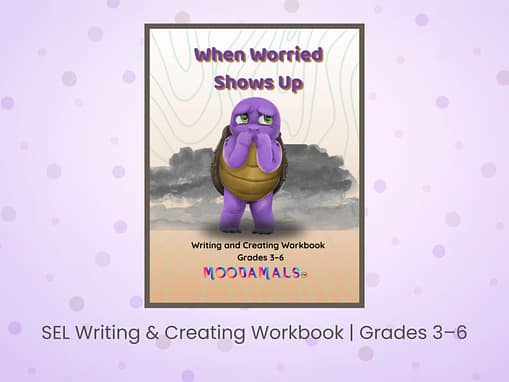
When Worry Shows Up – Writing & Creating Workbook (Grades 3–6)
A short SEL workbook that helps students notice, name, and express worry through writing and drawing. Pages can be used independently or with gentle support from a trusted adult.
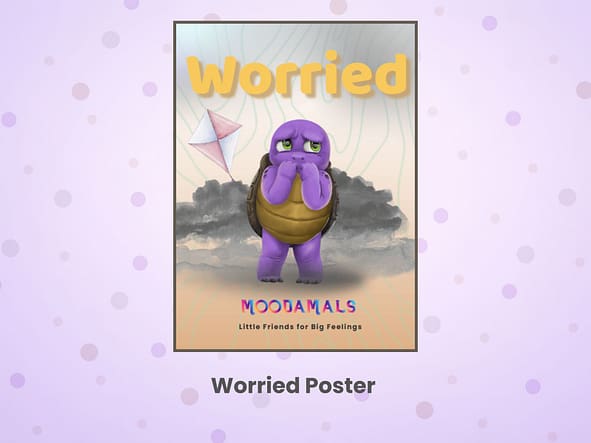
When Worry Shows Up – Classroom Poster
A visual anchor that reinforces emotional language and supports calm reflection throughout the day. Useful for calm corners, small groups, or whole-class conversations.
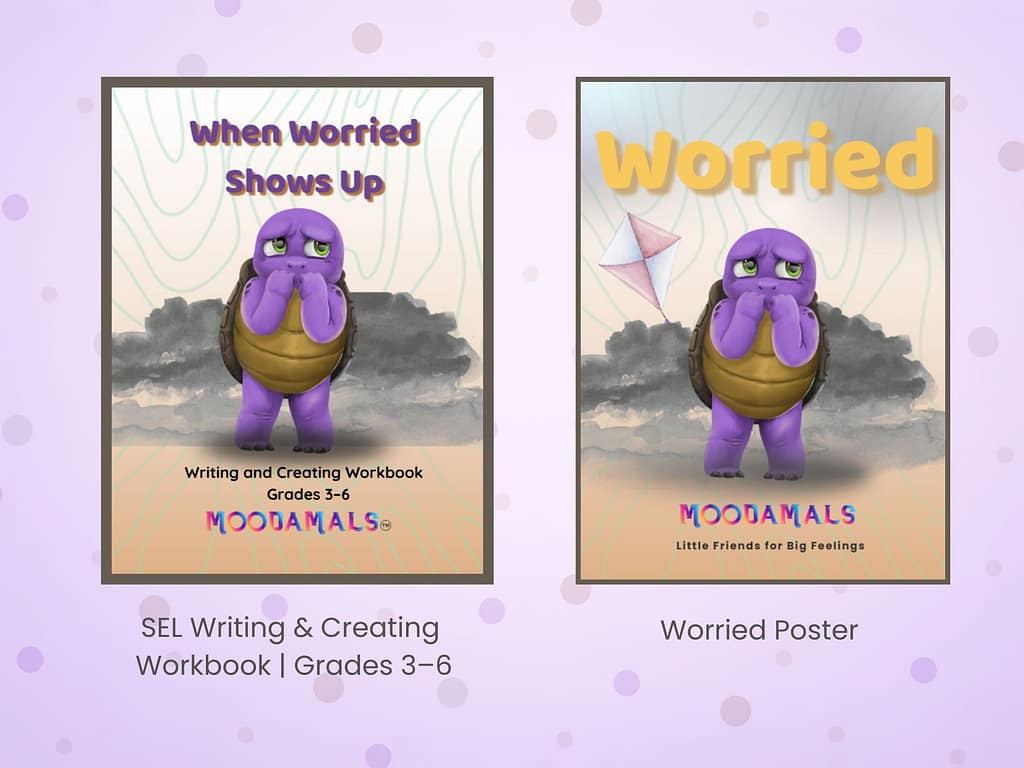
When Worry Shows Up – Workbook + Poster Bundle
This bundle includes both the writing and creating workbook and the matching classroom poster, offering consistent language and reflection supports across classrooms, counseling spaces, or home use
FREE 24 Page SEL Coloring Book
Looking for a calm, classroom- ready way to support big feelings?
This free 24-page SEL coloring book helps students build emotional awareness, focus, and regulation through simple print and go activities you can use during morning work, small groups, or calm-down time.
Exploring Other Emotions
Worry isn’t the only feeling that can take over a classroom.
Students may also need support when happiness shows up with big energy — especially when joyful feelings make it hard to slow down, focus, or transition.
If you’re looking for calm, supportive ways to help students regulate happy feelings without shutting them down, you may want to explore strategies for supporting happiness in the classroom as well.
Check out my post: When Happy Kids Get Too Loud: How to Help Students Regulate Excitement
Final Thoughts
Worry is part of being human — especially for students navigating school, relationships, and expectations.
When we respond with calm, structure, and compassion, we send a powerful message:
big feelings are allowed, and students are still safe.
Supporting worry isn’t about fixing or eliminating it.
It’s about helping students feel steady enough to keep learning, connecting, and growing — even when worry shows up.