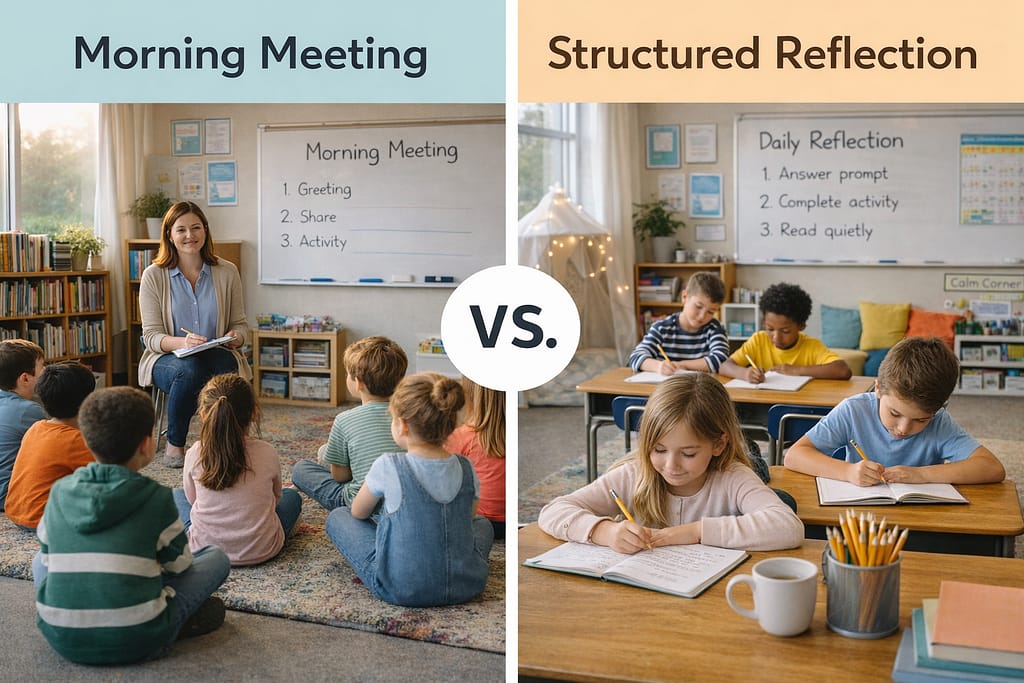
Morning meetings have become a common part of many elementary classrooms.
They create space for connection.
They encourage sharing and build community.
And for many teachers, they are a meaningful way to begin the day.
But as conversations around emotional regulation and classroom structure continue to evolve, some teachers are asking a different question:
Is a morning meeting the only way to create a calm, emotionally supportive start to the day?
Or are there other approaches worth considering?
What Morning Meetings Do Well
Morning meetings often:
• Build classroom community
• Encourage peer interaction
• Strengthen teacher-student relationships
• Create space for social-emotional conversations
When done consistently, they can support belonging — which absolutely matters.
Belonging is foundational to both learning and student mental health.
But belonging alone does not always build self-regulation.
However, Where Morning Meetings May Fall Short
In some classrooms, morning meetings become:
• Highly discussion-based
• Energy-elevating rather than regulating
• Dependent on participation
• Time-consuming to facilitate
For students who struggle with anxiety or emotional regulation, large-group sharing can sometimes increase stress rather than reduce it.
For teachers managing tight schedules, a meeting format can also add facilitation pressure first thing in the morning.
That doesn’t mean morning meetings are ineffective.
It simply means they are one structure — not the only structure.
What Daily Structured Reflection Offers
Daily structured reflection takes a slightly different approach.
Instead of beginning the day with group conversation, it begins with predictable individual regulation.
Students:
• Enter the classroom
• Begin a familiar routine
• Reflect quietly
• Build emotional language gradually
The format stays consistent.
The expectations remain clear.
The emotional work compounds over time.
This approach prioritizes predictability over novelty.
And predictability is one of the strongest supports for both regulation and mental stability.
The Real Question: What Does Your Classroom Need?
There isn’t one “right” way to start the day.
The better question is:
What supports your students most consistently?
If your class thrives on interactive connection and has strong regulation skills, morning meetings may work beautifully.
If your class struggles with anxiety, behavior spikes, or emotional overwhelm first thing in the morning, a quieter, more structured reflection period may create more stability.
Sometimes teachers even combine both — using structured reflection first, followed by occasional community meetings later in the week.
Why Structure Matters Either Way
Whether you choose morning meetings or daily structured reflection, consistency is what makes the difference.
Students regulate best when they know what to expect.
Teachers feel calmer when they are not reinventing the start of the day every week.
That realization is what led me to prioritize long-term structure in my own practice.
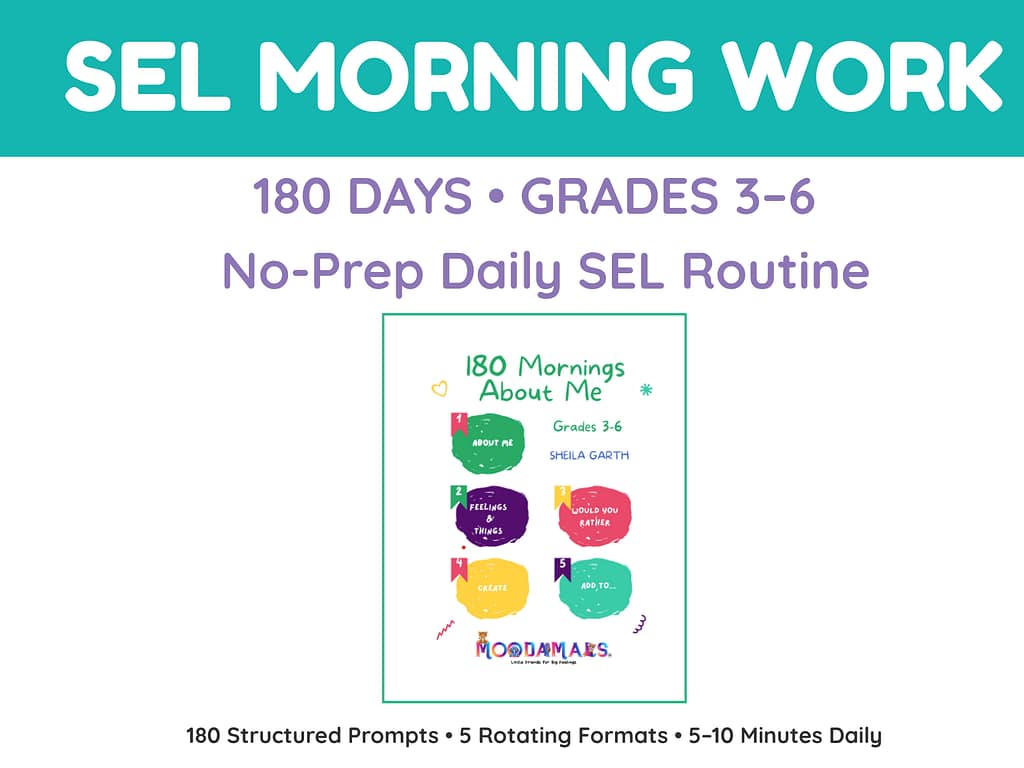
The 180 Days of SEL Morning Work for Grades 3–6 was created as a predictable, skill-building framework for teachers who want emotional growth without daily facilitation pressure.
It’s not designed to replace connection.
It’s designed to strengthen regulation through consistency.
If you’re exploring alternatives to morning meetings or looking for a more structured start to your day, you can explore the resource here:
👉180 Days of SEL Morning Work for Grades 3-6
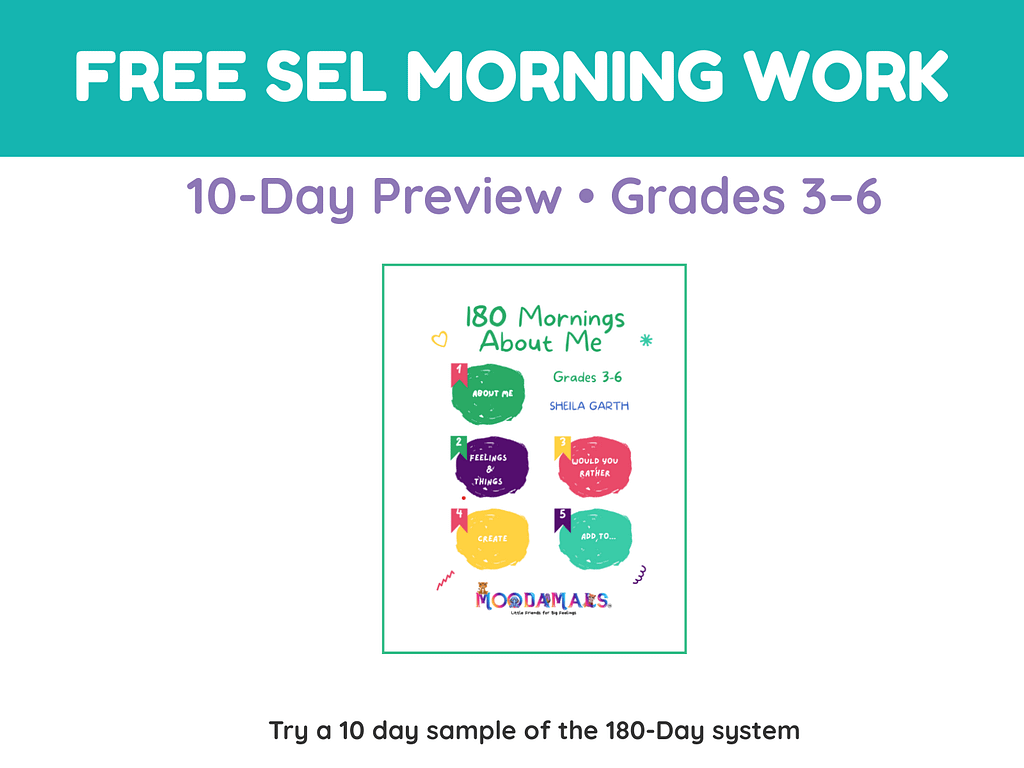
If you’re exploring alternatives to morning meetings or looking for a more structured start to your day, you can explore the resource FREE 10 Page Sample here:
👉FREE 10-Day Morning Work | SEL Daily Check-Ins & Reflections | Grades 3-6
Final Thought
Morning meetings are valuable.
But they are not the only path to a calm classroom.
What matters most is not the format.
It’s the consistency.
And consistency builds stability — for both students and teachers.
Looking for More Ways to Support Students?
Read my previous post on supporting student mental health in your classroom!
👉5 Simple Ways to Provide Mental Health Support in Your Classroom