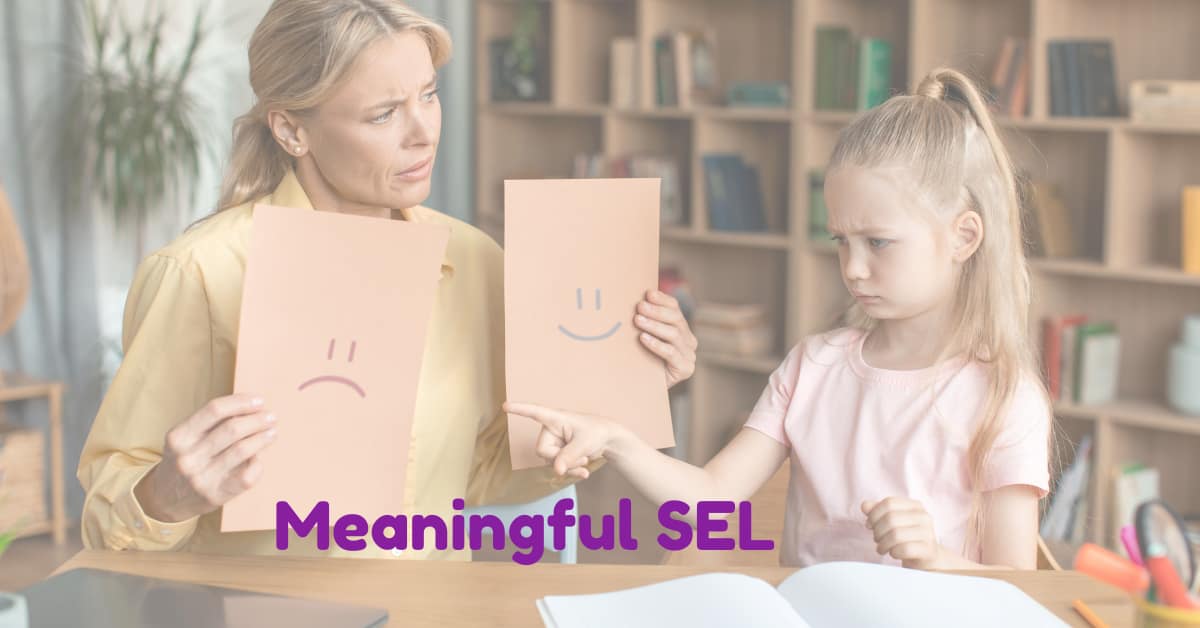
Meaningful Mornings of SEL
Let’s be real — most teachers believe in SEL. We know our students need it.
But between the fire drills, the testing schedules, and just trying to teach actual content, SEL often ends up as “one more thing” on the to-do list.
The truth is, a lot of SEL instruction feels disconnected. You stop everything for a lesson on emotions… and then jump right back into math. It feels a little forced, and let’s be honest — the kids can tell.
But there’s a better way to do it. And it starts first thing in the morning.
Incorporating morning work SEL into your daily routine can help set a positive tone for the day while addressing social-emotional learning in a seamless way.
Why Morning Work Is the Secret Window for SEL
Think about your mornings. Kids are coming in with backpacks, big feelings, leftover energy from the bus, maybe something that happened at home.
They’re not ready to jump into spelling or start a timed math test. But they are ready for something calm, simple, and familiar.
Your morning routine is the perfect time to build in social-emotional learning. It doesn’t require a separate lesson or extra materials. You just need a few quiet minutes with a meaningful prompt, a pencil, and space to check in.
The Problem with Traditional Morning Work
Let’s be honest — a lot of morning work is just busywork. We hand students a worksheet so we can take attendance, check folders, or deal with the chaos of the morning rush.
That might keep the room quiet, but it doesn’t help students emotionally regulate or build connection with themselves or others.
The goal of morning work shouldn’t just be silence. It should be readiness.
How to Make Morning Work More Meaningful
Here are three quick changes you can make this week — no extra planning required.
1. Change the Prompts, Not the Routine
- “What’s something you’re proud of from yesterday?”
- “How do you want to show up today?”
- “What’s something kind you could do for a classmate this morning?”
You don’t need to change your system. Just shift the focus.
2. Give Options (They Don’t All Have to Write)
- Draw a “feeling of the day”
- Pick from a calm-down menu
- Write a note to their future self
- Silent journal entries with a prompt on the board
These soft-start activities allow students to check in emotionally before checking in academically.
3. Connect While They Work
While students settle in, take a lap around the room and ask:
- “How’s your weather today?”
- “Do you need anything from me before we get started?”
- “Are you ready, or do you need a soft start?”
These low-stakes interactions often give you more insight than a full-blown SEL lesson.
Need a Done-for-You SEL Workbook?
If you love this idea but don’t want to reinvent the wheel, I created a ready-to-go workbook called 180 Mornings About Me.
This no-prep resource gives students a fresh SEL prompt each day in a calm, structured format that’s easy to use. It helps students build emotional awareness through daily reflection and consistency.
- 5 rotating SEL themes
- Printable or softcover options
- Teacher-tested and CASEL-aligned
- Perfect for Grades 3–6
Choose your format:
The Takeaway
SEL doesn’t have to be a separate lesson or a big production. You can start where you already have time — during your morning routine.
Small moments of connection, reflection, and choice add up. Your students will feel it. And you will too.
Start tomorrow with just one prompt. That’s all it takes to begin the shift toward mornings that are calm, connected, and meaningful.
Grab your free 5-page printable sample from 180 Mornings About Me — made for real classrooms and calm, connected mornings.
✅ Emotion check-ins
✅ Goal-setting prompts
✅ Reflection starters for Grades 3–6