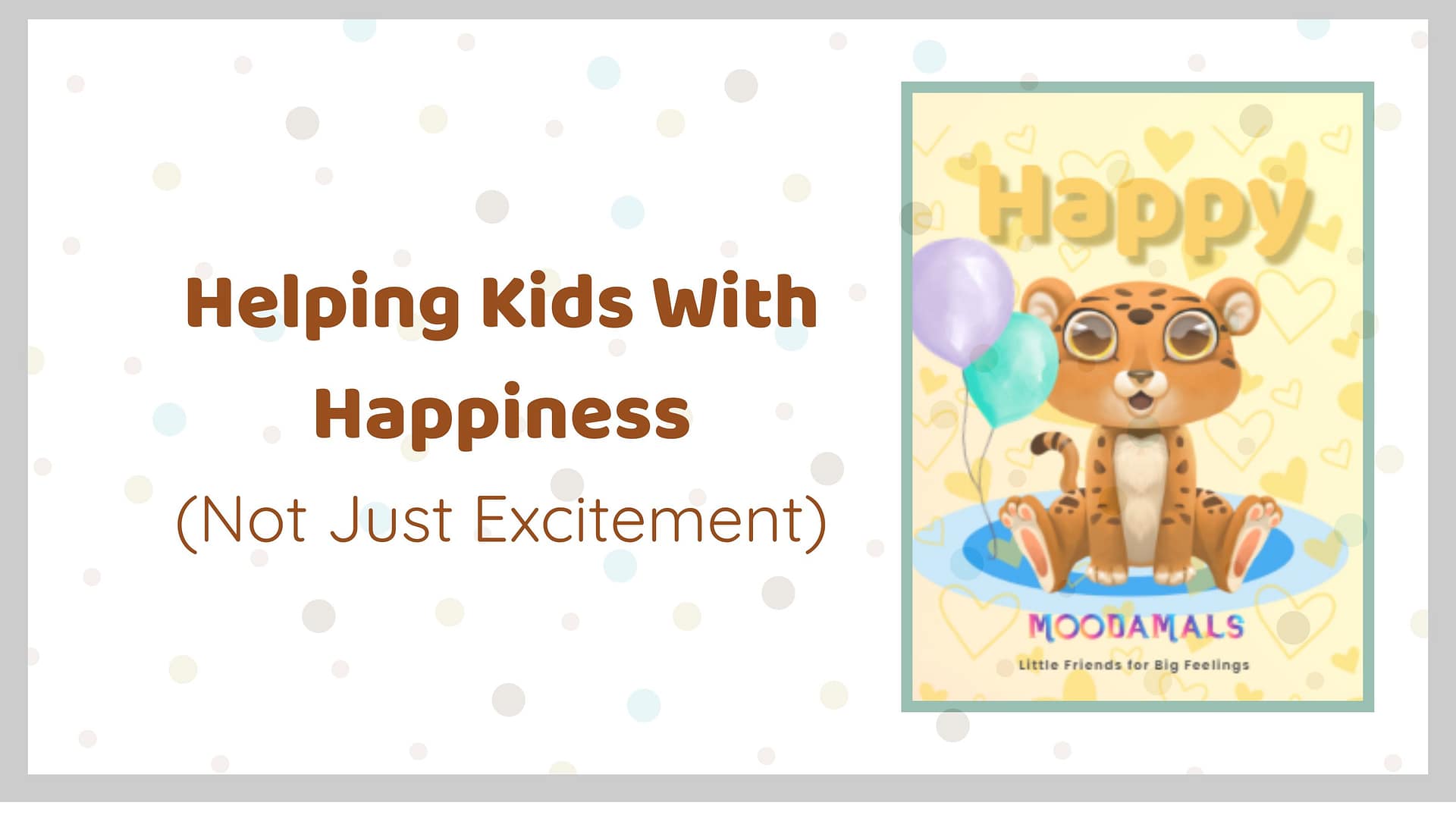
When we talk about helping kids with big feelings, we usually focus on the ones that cause immediate challenges—anger, worry, sadness, or frustration. Those emotions often stop learning in its tracks and demand quick attention.
But there’s another moment teachers and caregivers run into all the time that doesn’t get talked about enough: when kids are happy—and the room starts to feel out of control.
Happy feelings can be big.
They can be loud, energetic, and contagious.
They can also show up quietly—as calm, content, and grounded.
The key isn’t trying to increase excitement or shut happiness down. It’s helping kids notice what they’re feeling and learn how to regulate happy energy so it supports focus instead of disrupting it.
Happiness Is Not the Same as Excitement
One important step in supporting kids’ emotions is helping them understand that happiness and excitement are not the same feeling.
They often show up together, but they affect the body and behavior in very different ways.
Happiness tends to feel calm, comfortable, and content.
It supports focus and helps kids feel settled.
Excitement, on the other hand, is higher-energy and fast-moving.
It can feel fun and positive—but it can also become overwhelming and lead to dysregulation.
Because of this:
- A child can feel happy and relaxed
- A child can feel excited and dysregulated
- A child can feel happy and excited at the same time
When we help kids recognize the difference between these feelings, we give them clearer emotional language—and we’re better able to support them before excitement turns into loss of control.
When Happiness Shows Up Quietly
Happiness doesn’t always look like loud voices or big reactions. In classrooms and homes, it often shows up in much quieter ways.
Sometimes calm happiness looks like:
- enjoying a quiet activity
- feeling proud after finishing something meaningful
- noticing a sense of comfort or safety
- feeling content without needing more stimulation
These moments are easy to miss in busy classrooms, especially when attention is often pulled toward louder behaviors. But they matter.
When kids learn to notice and name calm happiness, they begin to understand that happiness doesn’t always mean more energy or more noise. Sometimes, it means feeling settled, safe, and enough—exactly where they are.
Helping Kids Celebrate Calm Happiness
Supporting happiness isn’t about hyping kids up or pushing excitement. It’s about giving them space to recognize and celebrate what helps them feel good, grounded, and regulated.
In classrooms and homes, this might look like:
- exploring activities that help kids feel calm and content
- reflecting on moments that feel meaningful or satisfying
- noticing what supports their body, heart, and mind
When kids are given regular opportunities to notice and talk about calm happiness, they begin to understand that positive feelings don’t always need to be loud or intense. Over time, this awareness helps them build emotional regulation skills and maintain focus—without shutting down joy.
Helping Kids Put Words to Happiness
Like all emotions, happiness becomes easier for kids to understand and manage when they have language for it.
Giving students regular opportunities to reflect—through writing, drawing, or discussion—helps them:
- name what happiness feels like in their body
- identify activities that support calm joy and contentment
- understand the difference between happiness and excitement
- build emotional vocabulary and self-awareness
Some kids process best through words. Others through art. Many need a combination of both.
When reflection tools offer choice in how kids express themselves, they’re more likely to engage—and more likely to develop emotional awareness that supports regulation in real-life situations.
Tools That Support When Happiness Shows Up
One effective way to support emotional awareness—especially during high-energy or easily overlooked moments—is through simple, reflective tools that slow kids down without telling them how they should feel.
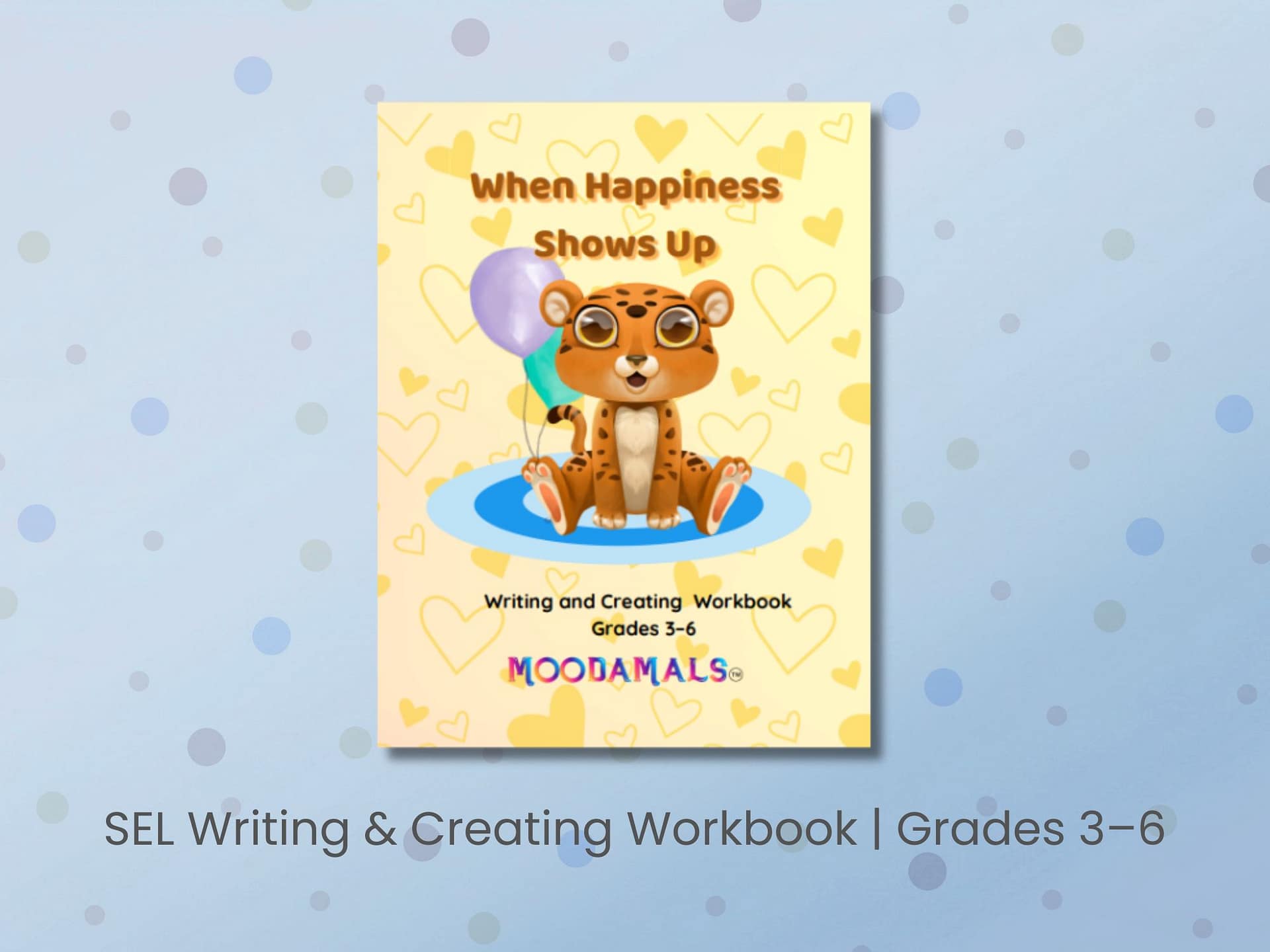
The Moodamals: When Happiness Shows Up reflection and coloring workbook was created for exactly these moments. It gives students structured, low-pressure ways to:
- write about what happiness feels like
- draw how happiness shows up in their body
- reflect on what helps them feel calm and content
- pause, reset, and regain focus when needed
Because the activities are open-ended and choice-based, students can process happy feelings in a way that feels natural to them—whether that’s through words, art, or quiet reflection.
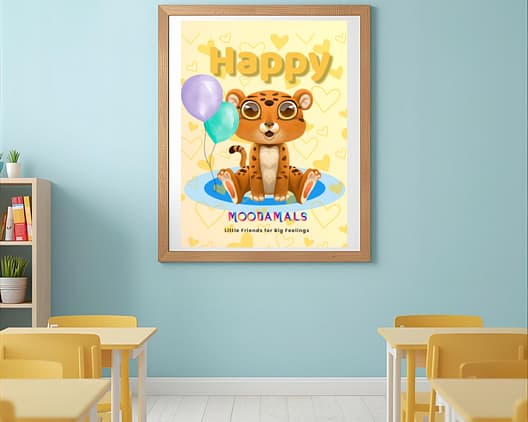
If you’re looking for a visual reminder or classroom anchor, the Happiness Moodamal poster on TPT pairs well with the workbook and helps reinforce emotional language during everyday classroom moments.
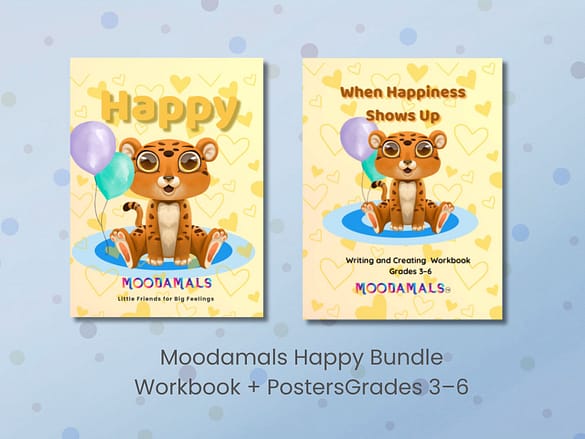
Both resources are also included on TPT in the Moodamals bundle, which supports multiple emotions using the same consistent structure students become familiar with over time.
A Helpful Starting Point for Educators and Families
If you’re new to using reflective SEL tools, this post on the power of imagination in the classroom offers a helpful place to begin.
The Power of Imagination in the Classroom
And if you’re looking for free resources to get started, you can sign up for the free Moodamals starter kit below.
Final Thoughts
Not all happiness is exciting.
And not all joy needs to be loud.
When we help kids notice, celebrate, and put words to calm happiness, we give them tools that support emotional balance—not just in happy moments, but across all emotions.
That kind of awareness supports regulation, focus, and well-being in the classroom and beyond.